

Mold bases · 6 min read
Die casting or injection: what the heat asks of the frame
Two frames can leave the shop looking identical and behave nothing alike in service. The difference is not the shape of the plate stack — it is what the drawing asked the stack to survive.
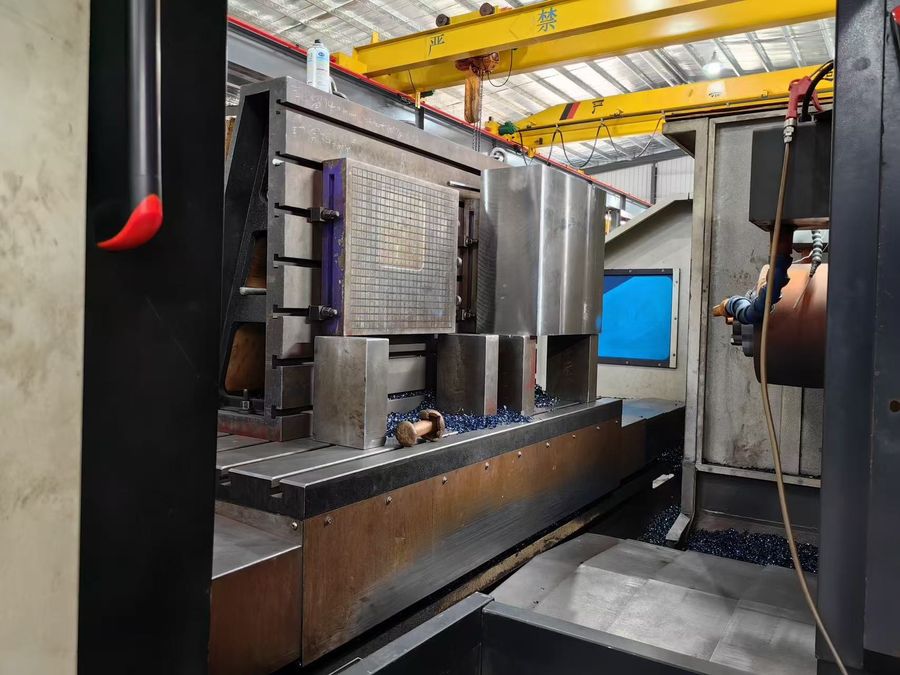
A die casting frame and an injection frame leave a workshop looking almost the same: the same plate stack, the same four guide pillars, the same dowels and socket-head screws. That resemblance is exactly why die casting frames get ordered from an injection drawing with one word changed in the title block. The shape survives the change. The decisions underneath it do not.
The frame is clamped cold and runs hot. A die casting die is closed up at room temperature and then put to work with molten aluminium on one side of the parting line. Every plate in the stack grows, and it grows at a different rate from the pillar running through it. A guide pillar with a comfortable clearance when the mold is cold can close on its bush at working temperature, and the first symptom is rarely a seized pillar. It is a parting line that stops closing square, or a bright scuff down one pillar that appears after the die has been running for a while and was not there at the trial.
The bush decides the pocket in the plate. On a plastic mold the guide bushes are greased, and the frame is often drilled and tapped for a grease nipple. Grease does not last in a die casting frame: it cooks, carbonises and turns into an abrasive paste. So the bushes are commonly specified as self-lubricating — graphite-plugged bronze, or a hardened bush run dry — and that is a different component in the same drawing position. Different outside diameter, different flange, a counterbore at a different depth, and no lubrication point at all. Machine the pocket for a greased bush and the graphite bush that arrives will not seat; the base is then either re-worked or re-made.
Clamp load puts the support plate to work. A die casting machine closes hard, and every shot pushes the two halves apart again. That load travels the same path as in an injection mold — core, support plate, pillars, rails, platens — but it is larger, and the frame is normally built on heavier plates to carry it. A die casting frame quoted from a list of plate thicknesses alone is a guess. What decides whether the core stays flat is the support underneath: thicker backing, and a grid of support pillars rather than one clear span, which is the subject of the span under the core.
The ejector side is guided, not just drilled. A casting grips the core far harder than a molding does, and it grips unevenly. In a plastic frame the ejector plates are often carried on the return pins alone. In a die casting frame they are usually given their own guide pillars and bushes, because an ejector plate that shifts under load scores every ejector pin bore in the stack at once — and those bores run through three or four plates, so the repair is not a reaming job. The guide bores and the clearance for their bushes are features in the ejector and support plates. They exist only if somebody drew them.
The most useful drawing for a die casting frame is a keep-out map. Vents, overflows, runners, the ejector pattern, slide cylinders and water all want the same square metres of plate. An ejector pin that lands in an overflow well leaves a witness mark on every casting; a water line drilled through a vent channel is a leak waiting for the first hot cycle. The toolmaker knows where those features sit because he designed the cavity. The frame builder does not, and cannot infer it from a pocket outline. Marking the areas that must stay clear is worth more on a die casting frame than a tighter tolerance on a face that carries nothing — and it is the part of the drawing most often left out when a frame is bought on price.
Slides change the outside of the frame, not only the inside. A die casting slide is usually driven by a hydraulic cylinder, and the cylinder needs a mounting face on the frame plus room for its barrel outside the plate edge. The frame has to be laid out around the hardware, not just around the pocket — the same question as the space an undercut needs, one step further out.
Water: the frame provides the route, the insert does the cooling. Most of the heat leaves through the cavity and core inserts. What the frame has to provide is a bore that goes where the circuit needs it, including straight through a spacer rail or a support plate — deep-hole drilling work rather than a line marked on a plate and drilled by hand.
Flatness stops being a formality at this clamp load. A backing plate that is a few hundredths out is tolerable when the press closes gently, and becomes a bent insert when it does not. We hold ±0.02 mm on fitting and ground faces — our own callout, confirmed at quotation, not a claim of compliance with a general tolerance standard — and the setup that keeps it there is the one described in clamped flat, released warped.
What to send with the enquiry. The alloy and the casting weight, the cycle rate the die is expected to run, the plate stack with thicknesses, the bush type you want or a note that your own standard applies, whether the ejector plate is to be guided, the slide list with cylinder sizes, the water circuits, and the machine's platen and shut-height data. Add the areas that must stay clear. Seven lines of that is enough to quote a frame that can be built, and it costs less time than the first repair.
Where our work stops. We machine the frame: plates, pockets, guide and ejector bores, slide features, water and clamp slots, to your drawing or to one we agree. The cavity inserts, their heat treatment, the die trial and the process settings belong to the toolmaker. What we can put behind the frame is the part that is measurable before it ships — fitting and ground faces at ±0.02 mm, ground faces at Ra 0.8 µm, and an inspection record that travels with the crate.
Why the comparison keeps coming back to the frame. Buyers weighing a mold base from China usually compare two numbers first: price and plate thickness. Neither tells you whether the bush pockets match the bushes, whether the ejector plate is guided, or whether the keep-out areas were respected — and those are the differences that show up in month three, not on the loading dock. Our frames are machined in Dongguan, China, in our own shop rather than bought in from a Chinese trader and re-crated: most run 7–10 days from confirmed order to shipment, the plant turns out 2,000+ sets and pieces a month, and the price is the factory's, with no trading layer between the drawing and the machine. The die casting line itself is described on die casting mold frames, and the same five plate roles appear in every frame we build.
Related