

Buying · 6 min read
A second mold base: what has to match, and what is free to change
Copying a base is easy. Knowing which features are interfaces with something you already own — and which simply record how the first one was made — is the whole job.
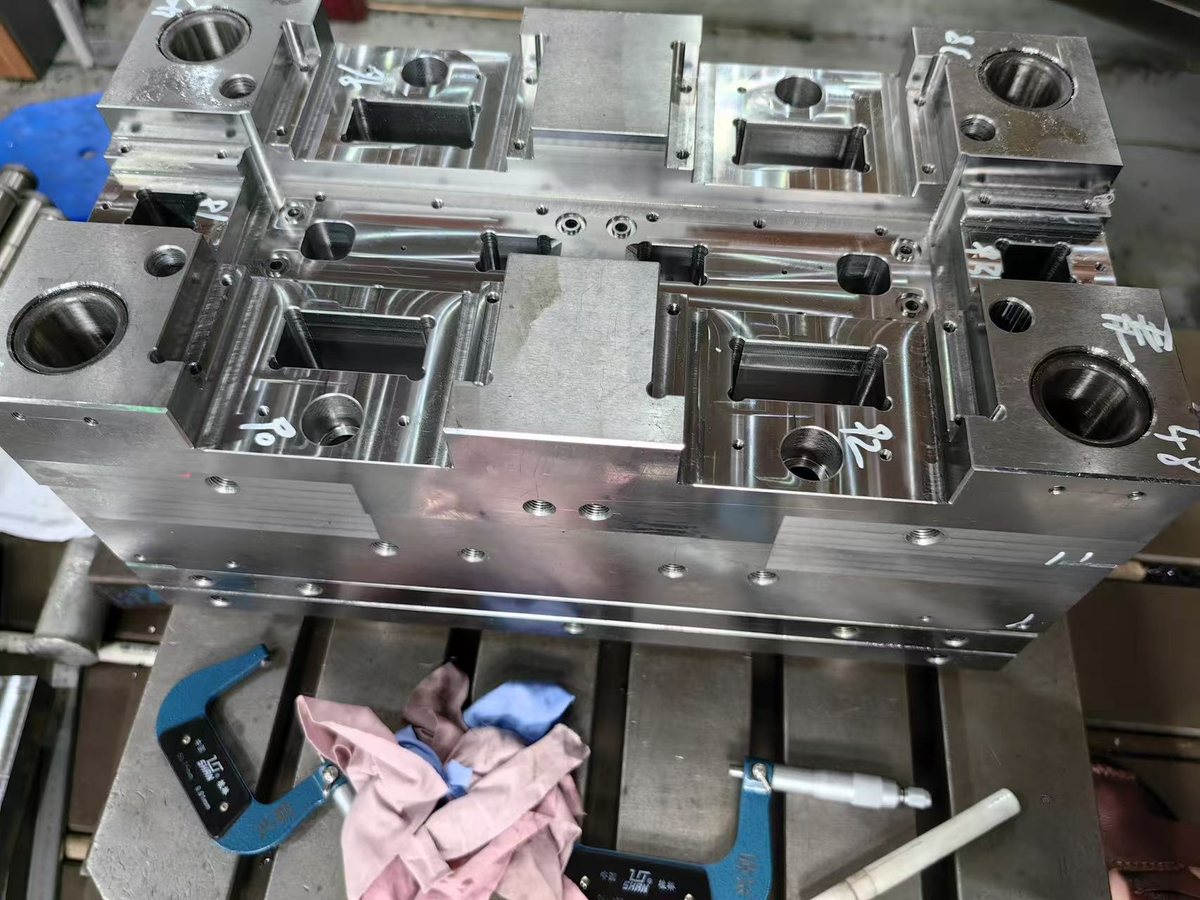
Second bases get ordered for ordinary reasons. The same part moves onto a second moulding machine so you are not queueing behind one press. A spare sits in the store so a breakdown does not stop the line. A tool the customer owns is transferred to another plant. In each case the instinct is to find the old drawing, send it, and write “same again”. That works — but only if you know which features on that drawing are interfaces with something that already exists, and which are simply how the first base happened to be made.
Sort every dimension into two piles before anything else. An interface is a feature that has to agree with something you already own: another plate in the same stack, the machine, a component bought separately, an insert you intend to move across. Everything else is free — it is that shape because of how the metal was cut, not because anyone needs it to be. Reproduce that pile without thinking and you have paid to copy somebody's setup, not to buy a base that fits what you already own.
The stack is one interface, read top to bottom. What a copy must bring back is the total height of the closed stack, and the thickness of the plates that carry something: a pocket floor, a water line, the travel of the ejector plates. That total fixes the shut height and the length of the return pins, so a support plate a few millimetres thinner is not a small change — it is a change to the whole assembly, and it surfaces at the press rather than at the bench. Ask for the stack to match plate for plate — the row-by-row reading our note on comparing quotations recommends.
Guide pillars: the pitch and the bores are frozen, the hardware is not. If a copy has to work with a top plate that already exists, or with guide components already in use, pillar pitch, bore diameter and fit are fixed — a set that binds is a set that cannot close, as the guide system note sets out. A duplicate is also the one moment when the guide system is open as a decision rather than a copy: buying the pillars and bushes fresh, plain, ball-guided or self-lubricating is still your choice. Copy the holes; choose the hardware.
The pockets are an interface only if you are reusing the insert. Move an existing cavity block into the new base and the pocket becomes a fitted feature: size, depth, corner radius, and the tapped holes and clamping positions around it all have to reproduce, and what matters is not where the pocket sits on the plate but where it sits relative to the guide bores. Buy new inserts and the pockets drop off the frozen list entirely, which is a real difference in cost and schedule — the reason pocket layout is worth settling before a base is quoted.
Ejection is where duplicates fail quietly. If the ejector plates and the pin set are being carried across, the pin pattern is frozen: positions, head recess depth, and the plate holes that go with them. A pattern a millimetre out is not corrected at assembly — it becomes new plates, or holes drilled into plates you already own. The knock-out bore in the bottom plate is a different kind of frozen: it lines up with a rod inside the press rather than with anything in the mould, so it is a machine interface living on a mould drawing. The ejection note covers the hole system itself.
Water is usually free, and this is where a copy can improve on the original. Port positions, the route of the circuit and where the plugs sit are almost never interfaces; what has to match is the port thread, because the fittings are already in your store. So instead of reproducing the first circuit line for line, describe how it has to work: which areas of the cavity need cooling, and which ports you want facing which way so the plumbing reaches on your press. Repeating a circuit somebody laid out in a hurry is a wasted opportunity; the cooling note explains why the ports and plugs matter more than the route.
Some features belong to the press, not to the mould. The locating ring or sprue bore, the clamp slots or tie-down holes, the knock-out bore, and which way round the base is bolted to the platen: none of these are mould features, and all of them are frozen the moment the base is clamped down. If the copy goes onto the same machine, they match the first base; onto a different machine, they have to match the new one. That makes the press data, and a photograph of the existing base in position, more useful to us than a second copy of the old drawing.
What to send with the enquiry. Three things turn a copy order into a straight one: a marked-up list separating what must match from what is free; the inspection record or a measurement sheet from the base you already run; and press and stack data for the features the mould does not own. Add the drawing if it survives, the quantity — often a single base — and the datum everything else is measured from. Then put the list in one line on the enquiry — “these features must match, everything else is your choice” — and ask whoever is quoting to confirm it back in writing before the plates are cut.
With no drawing, the first job is measurement, not machining. A base can be worked from a physical sample, but only the frozen features need measuring to a fine figure; everything else only has to be large enough and in the right place. Sending a sample to be copied without saying which features are interfaces invites the supplier to measure the whole plate to one standard, which spends time you did not need to spend.
Every way a copy fails is the same mistake. A base that closes with a gap is a stack height that changed. Guide pillars that bind are a pitch or a bore that was not reproduced. An ejector plate that will not sit down is a pin pattern measured from the wrong edge. A knock-out rod that misses is a bore placed from the mould instead of from the press. Water ports that will not reach the fittings are the one dimension of an otherwise free circuit that did have to match. Each is a frozen feature treated as free, and each is found late, on the customer's floor.
Reproducing a set of interfaces accurately is routine work here, and one of the reasons a base can leave our floor in seven days. With over 2,000 sets and pieces a month moving through our own plant, drawing detail, machining, grinding and inspection sit under one roof — and with no middleman between your frozen list and the person who cuts the bores, a copy is checked against the list rather than against habit. The components and custom bases we build are on the product pages, and the machines on the factory page.
Related